
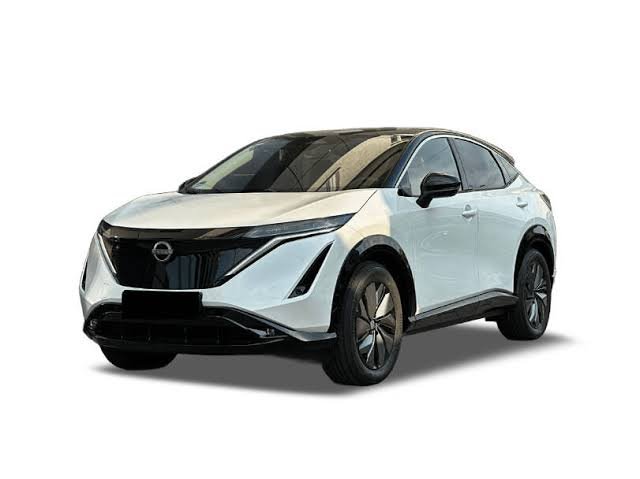
Learn how to import used cars from China, from choosing the right vehicle and checking its condition to shipping, customs clearance, and delivery.
How to Import Used Cars from China: Complete Guide
China has become an important source of affordable used vehicles for international buyers. With a wide range of brands, models, electric vehicles, and SUVs available, importing a used car from China can be an attractive option when the process is handled correctly.
In this guide, we explain the main steps involved in buying and importing a used car from China.
1. Choose the Right Car
The first step is finding a vehicle that matches your budget and requirements.
Consider:
- Brand and model
- Manufacturing year
- Mileage
- Engine or battery type
- Fuel consumption
- Transmission
- Body type
- Vehicle condition
- Availability of spare parts
Always check whether the vehicle is suitable for your country’s import regulations.
2. Check the Vehicle History
Before purchasing a used car, carefully check its history and condition.
Important information includes:
- Accident history
- Mileage verification
- Previous ownership
- Service history
- Flood or fire damage
- Exterior and interior condition
- Engine condition
- Battery condition for EVs
A professional inspection can help identify problems that may not be visible in photos.
3. Compare Prices
Don’t choose a car based only on its advertised price.
Your total import cost may include:
- Vehicle price
- Inspection charges
- Export documentation
- Inland transportation
- Port charges
- Shipping
- Customs duties
- Taxes
- Clearance fees
- Local transportation
Calculate the estimated total landed cost before making your final decision.
4. Arrange Vehicle Inspection
If possible, arrange an independent inspection before payment.
The inspection should verify:
- Vehicle identification number
- Mileage
- Engine
- Transmission
- Chassis
- Paint condition
- Tires
- Interior
- Electrical systems
- Safety equipment
For electric vehicles, battery health and charging performance are especially important.
5. Complete the Purchase
Once you are satisfied with the vehicle and inspection report, confirm the purchase terms with the seller or exporter.
Make sure important details such as the vehicle specifications, price, payment terms, and shipping arrangements are clearly documented.
6. Prepare Export Documents
The exporter normally prepares the required export documentation.
Documents can vary depending on the destination country, but may include:
- Commercial invoice
- Vehicle purchase documents
- Export documentation
- Bill of lading
- Vehicle information
- Customs documentation
Always confirm the exact requirements for your destination country before shipping.
7. Choose a Shipping Method
The two common options are Ro-Ro shipping and container shipping.
Ro-Ro Shipping
The vehicle is driven onto the vessel and secured inside the ship.
It can be a cost-effective option for suitable vehicles and routes.
Container Shipping
The vehicle is loaded into a shipping container.
This can provide additional protection and may be useful when shipping multiple vehicles or other cargo.
The best option depends on the destination, shipping route, vehicle size, availability, and cost.
8. Customs Clearance
When the vehicle reaches the destination country, it must go through customs clearance.
Import duties, taxes, port charges, and documentation requirements vary by country.
Working with an experienced customs clearance agent can make the process easier.
9. Vehicle Registration
After customs clearance, the vehicle may need to pass local inspection and registration procedures before it can legally be driven.
Check your country’s requirements for:
- Vehicle inspection
- Registration
- Insurance
- Import certification
- Emission requirements
- Safety standards
Final Tips
Before importing a used car from China:
Check the vehicle → Verify the history → Calculate total cost → Arrange inspection → Confirm documents → Choose shipping → Complete customs clearance.
A low purchase price does not always mean a low final cost. Proper research and inspection can help you avoid unexpected expenses and choose a vehicle that offers good value.
Ready to Find Your Next Car?
Explore available vehicles from China and compare models, prices, specifications, and conditions before making your decision.
China Used Car Market helps international buyers discover vehicles and understand the import process from China.